
"coffee in Guyana"
400 article(s) found
Brazilian Minas Coffee Bean Flavor Description Grind Scale Variety Treatment Taste Introduction
Coffee was first introduced to Brazil in the early 18th century. In 1727, the Brazilian government sent a handsome army officer to smuggle coffee seeds back to Brazil from French Guiana on the pretext of mediating a border dispute. It is said that the wife of the governor of French Guiana was deeply fascinated by the officer and sent them to Brazil.

Introduction of Brazilian Yellow bourbon Coffee Bean Flavor description Grinding scale treatment Manor
Brazil Yellow bourbon Coffee Bean Flavor description Grinding scale treatment Manor Brazil is vividly compared to the giant and monarch of the coffee world. There are about 3.97 billion coffee trees there, and small farmers now grow 75% of Brazil's total coffee production. Brazil produces twice or even three times as many coffee as Colombia, which is the second largest coffee in the world.

Description of the Flavor of Brazilian Red bourbon Coffee introduction to the producing area of Grinding scale
The flavor description of Brazilian red bourbon coffee the taste of grinding scale varieties are introduced in Brazil, and the largest output is Robart coffee. This kind of coffee is sold in the supermarket. Brazil's Robucht coffee, sold under the name Conillon, accounts for 15 per cent of total production. In some estates in the Serrado district of Minas Greais state in southeastern Brazil

Coffee Chronicle the Historical Development of Coffee Culture
In the 6th century, on the plateau of Abyssinia, a shepherd named Caldai drove goats to the new prairie for grazing, and accidentally found coffee fruit due to the accidental feeding of goats. In the early 10th century, Dr. Daggers, a famous doctor in Iraq, admitted and documented the pharmacological effects of coffee. This is one of the earliest valuable medical records of coffee. The Arabs invented the whole coffee in the 11th century.

Brazilian Coffee Plantation Area Grinding Scale Processing Flavor Description Variety Introduction
Brazil has many large farms, operating endless coffee gardens, they use machine harvesting, and the use of machine drying, automated efficiency is very high, as if coffee as a general agricultural material, completely abandoned flavor and disregard. As a result, many specialty coffee companies simply do not sell Brazilian beans, lest they demean themselves

Brazilian coffee roasting degree Milas Gerais
Brazil, a low-acidity, moderately roasted coffee bean from the World Coffee Center, is vividly compared to the giant and monarch of the coffee world. There are about 3.97 billion coffee trees there, and small farmers now grow 75% of the country's coffee. The number of coffee producers in Brazil is twice or even three times that of Colombia, the second largest coffee producer in the world.
Low acidity Brazilian coffee flavor manor area introduces Brazilian boutique coffee beans
Old bourbon coffee is grown on some estates in the Serrado district of Minas Greais state in southeastern Brazil. Old varieties of bourbon coffee grown on these estates, such as Capin Branco and Vista Allegre, are also sold on the market. Although they come from the same area, there are different kinds of coffee.
Let's talk about Santos coffee.
Brazilian Santos coffee, such as extremely rhythmic, unrestrained and enthusiastic samba dance and group crazy, earth-shaking carnival, is thoroughly integrated into the blood of lively and cheerful Brazilians. With its colorful flavor, it stirs the heartstrings of coffee lovers and makes people have a long aftertaste. Introduction Editor Santos Coffee (Santos Coffee) is mainly produced in Sao Paulo, Brazil. this
Brazilian Yellow Bourbon Coffee Flavor Description Taste Grind Scale Variety Features Region Introduction
In October 2002, Lula, the candidate of the left-wing party coalition led by the Labor Party, won the election and became the first directly elected left-wing president in Pakistan history. In October 2006, Lula defeated the Social Democratic candidate Alkmin and won re-election. October 2010 Dilma Rousseff wins as Labor Party candidate

Introduction to the varieties of Brazilian Coffee Bean Flavor description and Taste treatment method
The Flavor description of Brazilian Coffee Bean production Variety introduction the great economic crisis in 1929 sharply reduced the world consumption of coffee, which dealt a heavy blow to the Brazilian coffee plantation economy. Since then, the proportion of Brazilian coffee production in export earnings has plummeted. Over the past 30 years, with the development of modern Brazilian industry, especially steel, shipbuilding, automobile, aircraft manufacturing, etc.

Summary of Coffee Transmission path Sunshine Cooperative Fair Trade washing Office in Peruka Hamaka producing area, Peru
① coffee seeds were first brought into the Mysore Mountains of India by the Islamic Ranger Babudan in 1600, and by 1840, the British began to grow coffee on a large scale in India. ② in 1616 Dutch merchants introduced the first coffee tree from Mocha, Yemen. ③ in 1658 the Dutch began to grow coffee in Ceylon (now Sri Lanka). ④ in 1699 some coffee trees came from
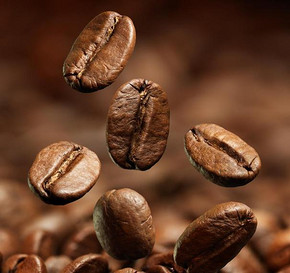
Brazilian Coffee Bean Features Grades and Stories
Pay close attention to coffee comment (Weixin Official Accounts vdailycom ) and find that a beautiful coffee shop opens its own small shop Brazilian coffee beans Brazilian coffee beans refer to all coffee beans grown in Brazil. In addition to Sanduo Division, Brazilian beans are mostly cheap coffee. Mixed coffee beans that can be used for mass production, mostly for heavy roasting. The main ingredient of instant coffee is Brazilian coffee beans. coffee

Introduction to the characteristics of Brazilian Coffee harvesting and processing ability Brand Flavor description
Brazilian Coffee harvesting and processing ability Brand Flavor description Taste introduction although coffee is diverse, Brazilian coffee is suitable for the taste of the public. For example, coffee produced in the northern coastal areas has a typical iodine taste, reminiscent of the sea after drinking. This coffee is exported to North America, the Middle East and Eastern Europe. Another kind of coffee that is interesting and worth looking for is washed.

The characteristics of Yellow Bourbon Coffee beans in the soft-scented Queen Manor of Brazil
The characteristics of Brazilian Queen's Manor Yellow bourbon Coffee Bean Brand Syrador Flavor description Taste introduction, other kinds of Brazilian coffee, such as Rio and Parana, can be produced in large quantities because they do not need too much care, although the taste is relatively rough. however, it is a kind of high-quality and cheap coffee, which has its own standard because it is distributed all over Brazil and its solid quality varies.

Introduction to the production area of Grinding scale Manor by the method of Flavor description of Brazilian Coffee Bean Grade
Brazilian coffee bean grade classification, flavor description method, grinding scale manor production area introduces other kinds of Brazilian coffee, such as Rio, Parana, etc., which do not need too much care and can be produced in large quantities, although the taste is relatively rough. however, it is a kind of high-quality and inexpensive coffee, which has its own standard because it is distributed all over Brazil and its solid quality varies.

Characteristics of Brazilian coffee beans Brazilian coffee bean grading Queen's Manor Bourbon Coffee Flavor
Characteristics of Brazilian coffee beans in 1727, the wife of the Governor of Guyana and Brazilian Army officer Pacita fell in love with each other and gave coffee saplings richly. Coffee saplings were taken to Para province in northwestern Brazil for planting, which started the Brazilian coffee industry. Brazilian coffee bean varieties: bourbon, bourbon variety Kaddura, bourbon Tibica hybrid New World, Kaduai. (other: yellow bourbon, Ika

Brazilian Coffee with mellow Flavor: introduction to Brazilian Fine Coffee
Brazilian coffee generally refers to coffee produced in Brazil. There are many kinds of coffee in Brazil. Like other Arabica coffee, Brazilian coffee is called Brazilian coffee Brazils to distinguish it from Milds coffee. The vast majority of Brazilian coffee is unwashed and sun-dried and is classified according to the name of the state of origin and port of transport. Brazil has 21 states and 17 states produce coffee, but among them

Introduction to the flavor and taste characteristics of moderately roasted Brazilian boutique coffee beans
Brazilian coffee generally refers to coffee produced in Brazil. There are many kinds of coffee in Brazil. Like other Arabica coffee, Brazilian coffee is called Brazilian coffee Brazils to distinguish it from Milds coffee. The vast majority of Brazilian coffee is unwashed and sun-dried and is classified according to the name of the state of origin and port of transport. Brazil has 21 states and 17 states produce coffee, but among them

Boutique coffee beans Brazilian coffee the latest boutique coffee introduces unique flavor and full taste
Brazilian coffee generally refers to coffee produced in Brazil. There is a wide variety of Brazilian coffee, the vast majority of which are unwashed and sun-dried, classified according to the name of the state of origin and the port of transport. Brazil has 27 states and 17 states produce coffee, but four of them produce the largest, accounting for 98% of the country's total output. Brazilian coffee has a low sour taste, which goes well with coffee.

Introduction to the quality characteristics of Brazilian Yellow bourbon Coffee Flavor description treatment
Brazilian coffee has proved that Brazil is also capable of producing gourmet coffee and small batches of coffee. Local boutique coffee can not only be provided by small-scale coffee farmers. The main coffee producing areas in Brazil are Sulde Minas South Minas, Matas de Minas Minas Southeast Mountain Forest, Cerrado Hirado, Chapadas de Minas Minas Mausoleum, and Mogiana.